
Toggle sidebar
Hygiene
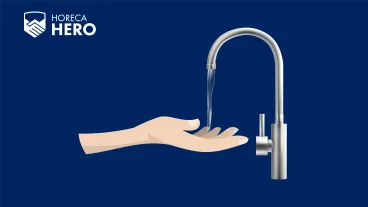
Hygiene - Wash Hands
Frequent and correct hand washing in the catering and hotel industry is the first and most important approach to avoid cross-contamination and to protect yourself and guests. You should always wash your hands after the following activities: visiting the toilet returning to the kitchen and preparation areas when they have been vacatedtaking out rubbish working with cleaning productseating, drinking, smoking and chewing gum or tobaccoworking with raw meat, poultry or fish touching one's own body or clothingsneezing, coughing or using a handkerchiefcontact with money before and after wearing glovesATTENTION: wearing gloves does not exempt you from washing your hands!
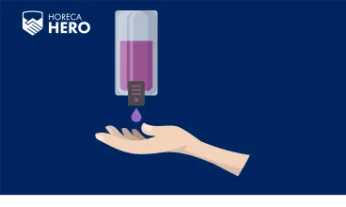
Hygiene - disinfect hands
Hand disinfection protects themselves and other people from infection and transmission. Disinfectants should be used during, but also before and after work. In general, it is recommended to use them before starting work in kitchens, before any handling of food, after going to the toilet and after using disposable gloves.

Hygiene - Work Wear
Proper work clothing not only contributes to your positive appearance, but is also crucial for your personal safety and compliance with our company standards.

Hygiene - Illnesses
Persons who handle food must be in a state of health that ensures that there is no possibility of the transmission of pathogens.
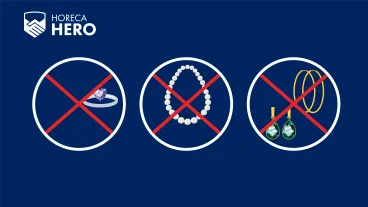
Hygiene - Jewellery
No watches or jewellery may be worn in the kitchen during working hours, as bacteria and germs can accumulate underneath and cannot be washed off properly. This also applies to wedding rings and all types of piercings that are not covered!

Hygiene fingernails
Employees in the kitchen must always keep their fingernails short and clean. Artificial fingernails and nail polish are not permitted in the kitchen, as dirt under painted fingernails can easily be overlooked. In addition, nail varnish can flake off or artificial fingernails can fall off and contaminate the food.
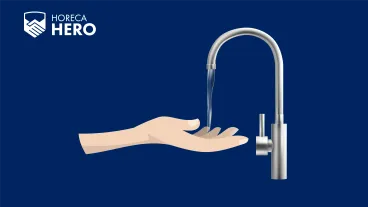
Hygiene - washing hands
Frequent and correct hand washing in the catering and hotel industry is the first and most important approach to avoiding cross-contamination and protecting yourself and your guests. You should always wash your hands after the following activities:After using the toiletAfter returning to the kitchen and preparation areas after leaving themAfter taking out rubbish After working with cleaning agentsAfter eating, drinking, smoking and chewing gum or chewing tobaccoAfter working with raw meat, poultry or fishAfter touching your own body or clothingAfter sneezing, coughing or using a handkerchiefAfter coming into contact with moneyBefore and after wearing glovesATTENTION: wearing gloves does not exempt you from washing your hands!

Hygiene - Workwear
Proper work clothing not only contributes to your positive appearance, but is also crucial for your personal safety and compliance with our company standards.

Follow-up instruction on the Infection Protection Act
Persons who handle food must be in a state of health that ensures that there is no possibility of the transmission of pathogens.
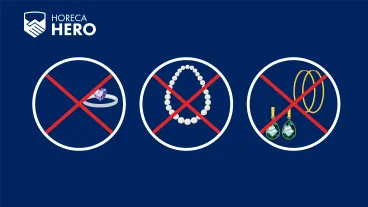
Hygiene - Jewelry
No watches or jewellery may be worn in the kitchen during working hours, as bacteria and germs accumulate underneath and cannot be washed off properly. This also applies to wedding rings and any kind of piercings that are not covered!

Hygiene - Fingernails
Employees in the kitchen must always keep their fingernails short and clean. Artificial fingernails and nail polish are not allowed in the kitchen, as dirt under painted fingernails can easily be overlooked. In addition, nail polish can peel off or artificial fingernails can fall off, contaminating food.
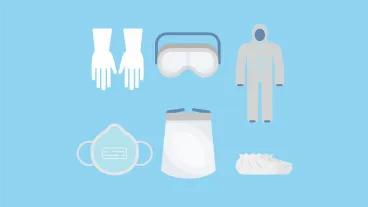
Personal protective equipment (PPE)
The personal protective equipment applies in addition to the work uniform and must be worn primarily for your own protection in special care and support situations (Covid-19, norovirus, etc.).

Uniform
Employees in the care sector must know the essential hygiene rules and clothing requirements for everyday work. In addition, correct personal and hand hygiene, the correct care and handling of uniforms and specific requirements for the kitchen area are crucial for maintaining a safe and clean working environment.

Personal hygiene in the workplace
Employees in the care sector must adhere to strict hygiene measures to ensure safety in the working environment. The correct handling of contaminated objects and body fluids is essential, which is why disposable gloves must be worn. In addition, proper hand hygiene, avoiding jewellery and tying back long hair are necessary to prevent the spread of germs and ensure a safe care environment.
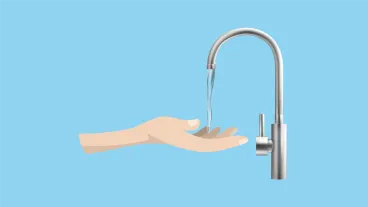
Hygienic hand washing and skin care
Frequent and correct hand washing in the care sector is the first and most important approach to avoiding cross-contamination and protecting yourself and residents. You should always wash your hands after the following activities:Before starting workAfter breaksAfter smokingAfter using the toiletAfter taking out rubbishAfter contact with body fluidsAfter handling cleaning agentsAfter touching surfaces in communal areasAfter contact with equipment or materials that could potentially be contaminatedThe instructions for proper hand washing must be followed step by step.ATTENTION: wearing gloves does not exempt you from washing your hands.

Hygienic hand disinfection
Frequent and correct hand disinfection in the care sector is the first and most important approach to avoiding cross-contamination and protecting yourself and residents. You should always sanitise your hands after the following activities:Before starting work After breaks After smoking After using the toilet After taking out rubbish After contact with body fluids After handling cleaning agentsAfter touching surfaces in communal areas After contact with equipment or materials that could potentially be contaminatedThe instructions for correct hand disinfection must be followed step by step.ATTENTION: wearing gloves does not exempt you from washing your hands.

Personal hygiene in communal catering
Strict hygiene is essential in communal catering.The topics covered here include the proper handling of work clothing, measures to avoid cross-contamination and the correct use of protective clothing and disposable gloves.

Hygiene
Um sicherzustellen, dass Hygieneregeln von den Beschäftigten an Gastronomieständen eingehalten und akzeptiert werden, können die Unternehmer ein Hygieneset bereitstellen. Dieses Set könnte folgende Artikel enthalten: Desinfektionsspray für Sitzflächen und Toiletten Handseife Händedesinfektionsmittel Einweghandschuhe Toilettenpapier Feuchttücher Einmalhandtücher Dieses Hygieneset kann jedem Beschäftigten zur persönlichen Nutzung zur Verfügung gestellt werden. Dadurch wird auch die Einhaltung der Hygienestandards bei der Zubereitung und Verarbeitung von Lebensmitteln vor Ort verbessert. Zudem müssen die Regelungen für Baustellen beim Aufstellen von Mobiltoiletten beachtet werden. Das bedeutet, dass bei mehr als sechs Beschäftigten getrennte Sanitärräume für Männer und Frauen bereitgestellt werden müssen. Die Anzahl der Beschäftigten (nach Geschlecht) muss dem Veranstalter im Voraus mitgeteilt werden.